
Holiday Peace
Why You Don’t Owe Toxic People Your Time

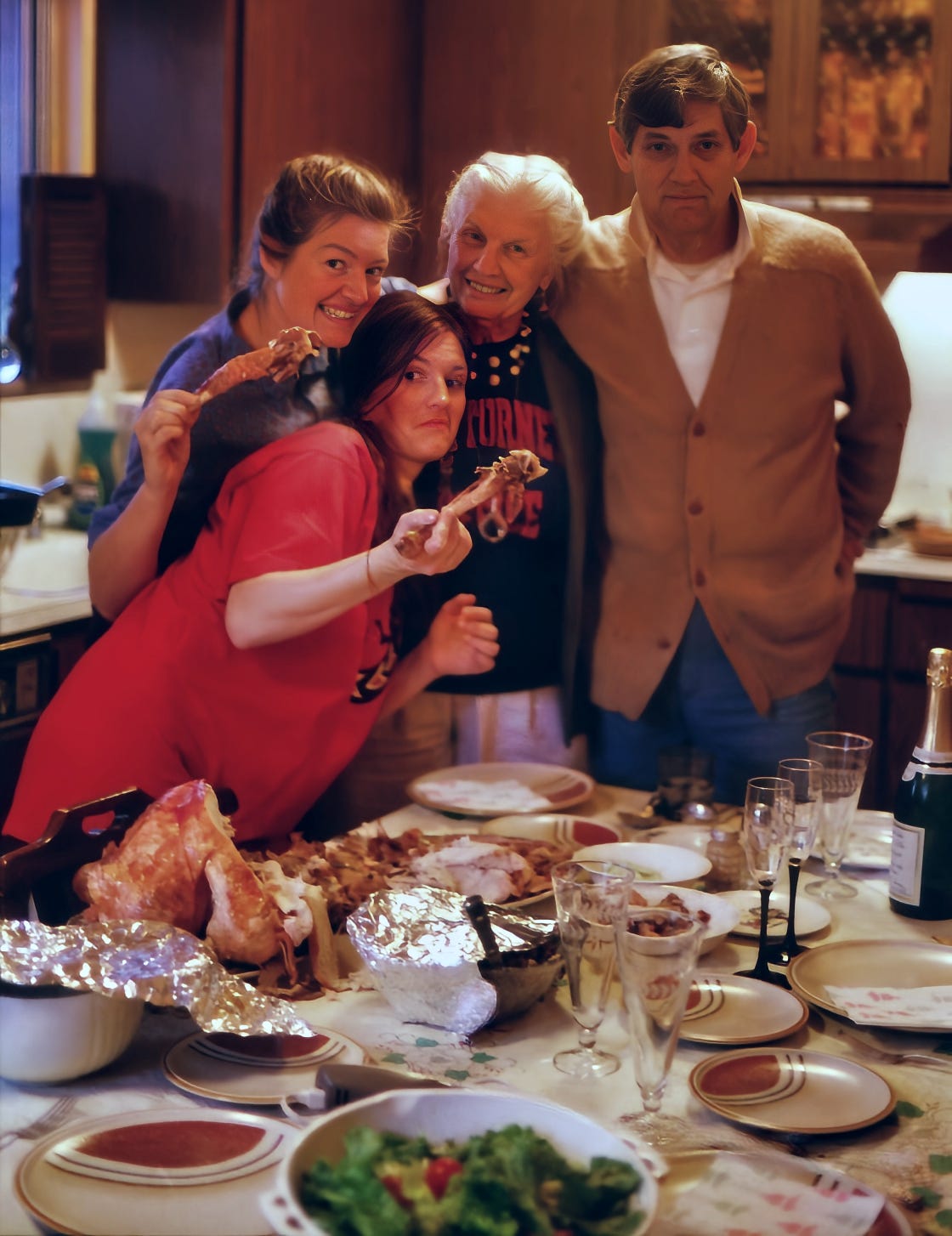
The holidays have a way of stirring up old stories. Some are beautiful: shared meals, familiar songs, hand-written cards that smell faintly of pine and memory.
And then there are the other stories, the ones you feel in your stomach: the dread of gatherings that include the cousin who always picks a fight, the sibling who twists your words, the parent who uses guilt like mistletoe, hanging it everywhere, demanding kisses of compliance.
If you find yourself bracing rather than celebrating, take a deep breath. This is the season of peace, and peace starts with boundaries.
Toxic behavior doesn’t take a holiday break—so your boundaries shouldn’t either
Every family has its mix of personalities, but toxic people operate on a different frequency. Their patterns don’t soften because the calendar says December. In fact, the holiday spotlight sometimes amplifies their behavior:
They demand emotional labor you don’t have to give.
They weaponize family expectations.
They criticize your life, your choices, your joy.
They create chaos and expect you to clean it up.
If any of this feels familiar, you might already be talking yourself into “just getting through it.” But here’s the reality: You’re not responsible for managing anyone else’s dysfunction, even during the holidays.
Guilt is the most useless emotion, especially when someone else is crafting it
One of the oldest tools toxic people use is guilt. It’s quiet, heavy, and designed to make you second-guess your own needs.
“You’re coming, right? You always come.”
“Don’t ruin the holidays.”
“Family sticks together.”
“We’re all getting older; you’ll regret it if you don’t.”
These phrases aren’t invitations. They’re pressure tactics.
Guilt doesn’t lead to genuine connection. It doesn’t build bridges. It doesn’t heal wounds. It only keeps you sitting at tables where you shrink yourself to make everyone else more comfortable.
And here’s the truth you’re allowed to say out loud:
Guilt is not a compass. It’s a trap.
Self-preservation is not selfish, it’s wise
You get to choose the people you spend your limited, precious energy on. You get to choose the rooms that feel safe, the voices that lift you, the company that adds—not drains—your spirit.
Sometimes that means opting out of an event entirely.
Sometimes it means limiting your time.
Sometimes it means staying home in soft pants with cocoa and a movie while the rest of the world tries to perform joy.
Protecting your emotional health is an act of courage. And it sets a new pattern: you’re teaching yourself—and others—what you will and will not allow.
You deserve holidays filled with peace, not performances
There is no moral prize for enduring mistreatment. No medal for putting yourself last. No spiritual virtue in tolerating those who harm you.
There is value, however, in:
Choosing environments where you can breathe
Surrounding yourself with people who treat you with warmth
Making your own holiday rituals
Spending time with chosen family
Listening to your intuition, even when others don’t like what it says
The holidays are not an endurance test. They’re a chance—however small—to experience beauty, connection, and rest. And sometimes the bravest choice is to step back from the places that steal those gifts from you.
This season, give yourself permission to walk toward peace and away from toxicity
You’re not rude.
You’re not cold.
You’re not “breaking the family.”
You’re simply choosing not to break yourself.
You are allowed to say no.
You are allowed to stay home.
You are allowed to protect your heart.
And you are absolutely allowed to do it without guilt. And without all the gilt.
Enjoy your life.
So tragically true in many cases....Love and stress free to all this holidays season, Mark :)
Patty Mooney: Believe me, every family has manipulative members, whose personal talents and lovable traits make their unintended cruelty much harder to deal with.
I think you are right to emphasize and protect your own emotional needs and those of your spouse and immediate loved ones.
Not an easy issue, because we often have close relationships or other reasons to love them.